Volkswagen faces worst crisis in corporate history
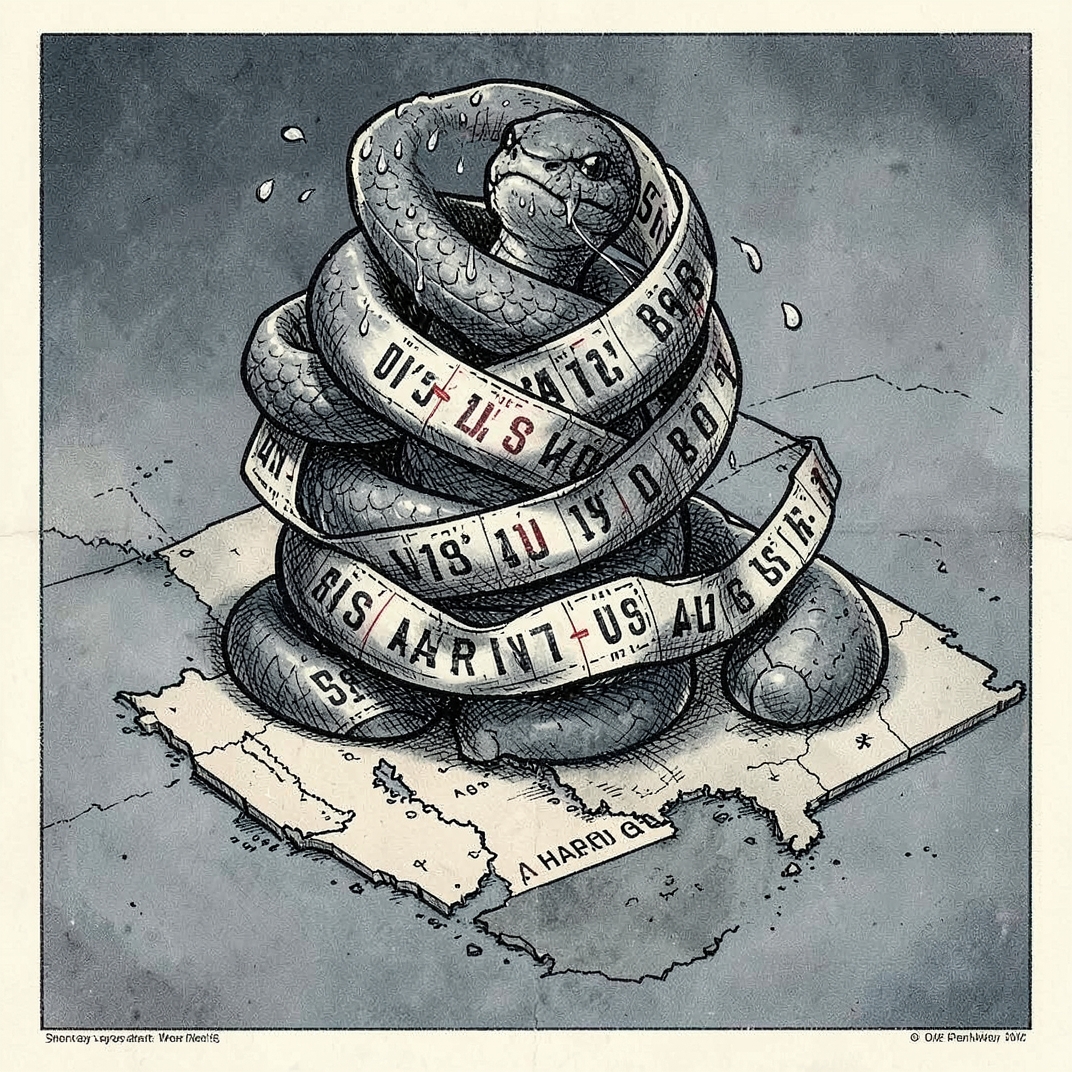
Volkswagen Group is in an existential crisis. According to company sources, profits in the 2025 fiscal year fell by nearly half. "We are experiencing a perfect storm of sales crisis, rising production costs, and technological transformation," said an insider familiar with the situation who spoke to this newspaper.
Particularly alarming: At the group's subsidiary Porsche, operating profit fell even more dramatically. "The luxury brand has let its exclusivity become its downfall," analyzes Frankfurt financial scientist Professor Dr. Klaus Richter. "A brand reserved only for the wealthy cannot survive in times of economic uncertainty."
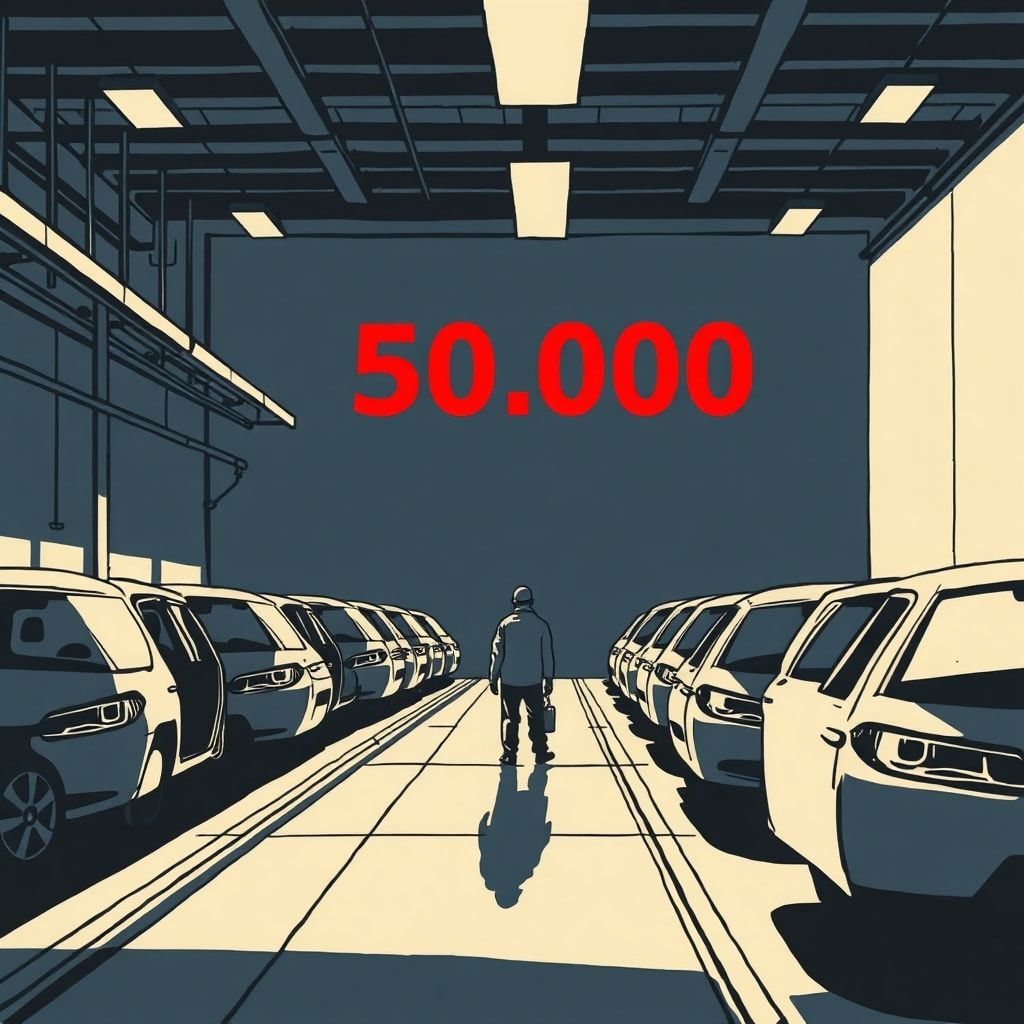
Chief Financial Officer Arno Antlitz announced yesterday at a crisis meeting of the supervisory board "a comprehensive restructuring program." "We must act now before it's too late," Antlitz was quoted by a meeting participant. The planned 50,000 job cuts will primarily affect German locations in Wolfsburg, Braunschweig, and Hanover.
The background to the crisis
Industry experts cite several factors responsible for the dramatic decline. "The diesel scandal of 2015 was only the beginning of a creeping loss of trust," explains auto analyst Dr. Maria Schneider. "Added to this are the technological shift toward electromobility and dependence on Chinese battery cells."
A Finance Ministry employee who wished to remain anonymous confirmed to this newspaper: "The federal government is watching the situation with great concern. Volkswagen is not just a company, but part of German identity."
Reactions from home and abroad
The news sent shockwaves through the German economy yesterday. IG Metall head Jörg Hofmann announced "massive resistance to any job cuts." "Employees will not willingly sacrifice their jobs for a crisis caused by corporate management," Hofmann said in an initial reaction.
Internationally, concern is also growing. "If Volkswagen falls, it could trigger a chain reaction in the entire European automotive sector," warned European Central Bank Chief Economist Philip Lane in a conference call with journalists.
In the US, the competition reacted with a mixture of concern and schadenfreude. "We are closely monitoring the situation," said a Tesla spokesperson, without providing further details. However, industry insiders suspect that Elon Musk sees Volkswagen's crisis as confirmation of his strategy.
Outlook
Volkswagen itself is combative. "We will emerge stronger from this crisis," Antlitz promised in an interview with the Frankfurter Allgemeine Zeitung. "But the path will be painful."
Experts are divided on whether the company can turn things around. "Volkswagen has the chance to reinvent itself," says futurologist Gerd Gigerenzer. "But to do so, it must free itself from old constraints."
The coming months will show whether the automaker can still pull off the turnaround – or whether it will become a warning signal for the industrial decline of Germany.
Gates Of Memes is a satire publication. This article is fictional journalistic exaggeration for entertainment purposes only.