Das Schweigen des Präsidenten
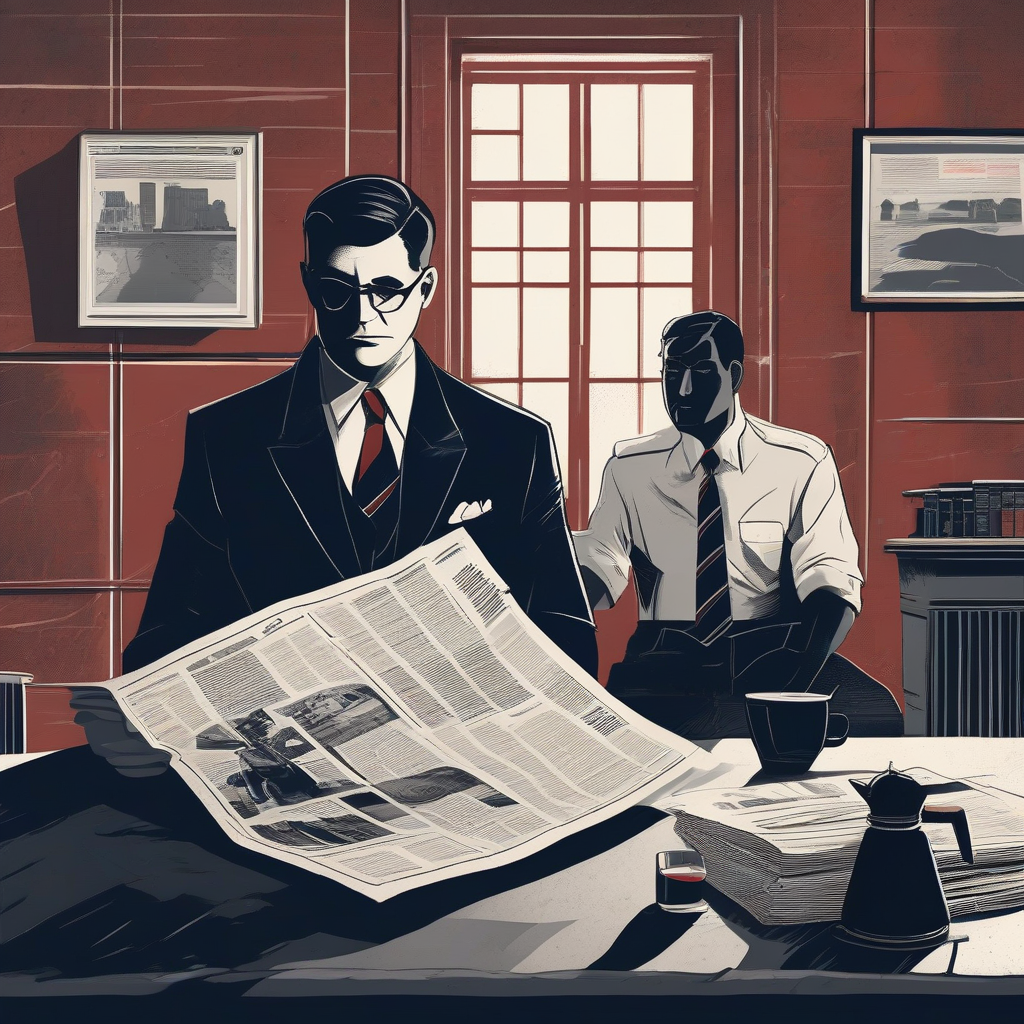
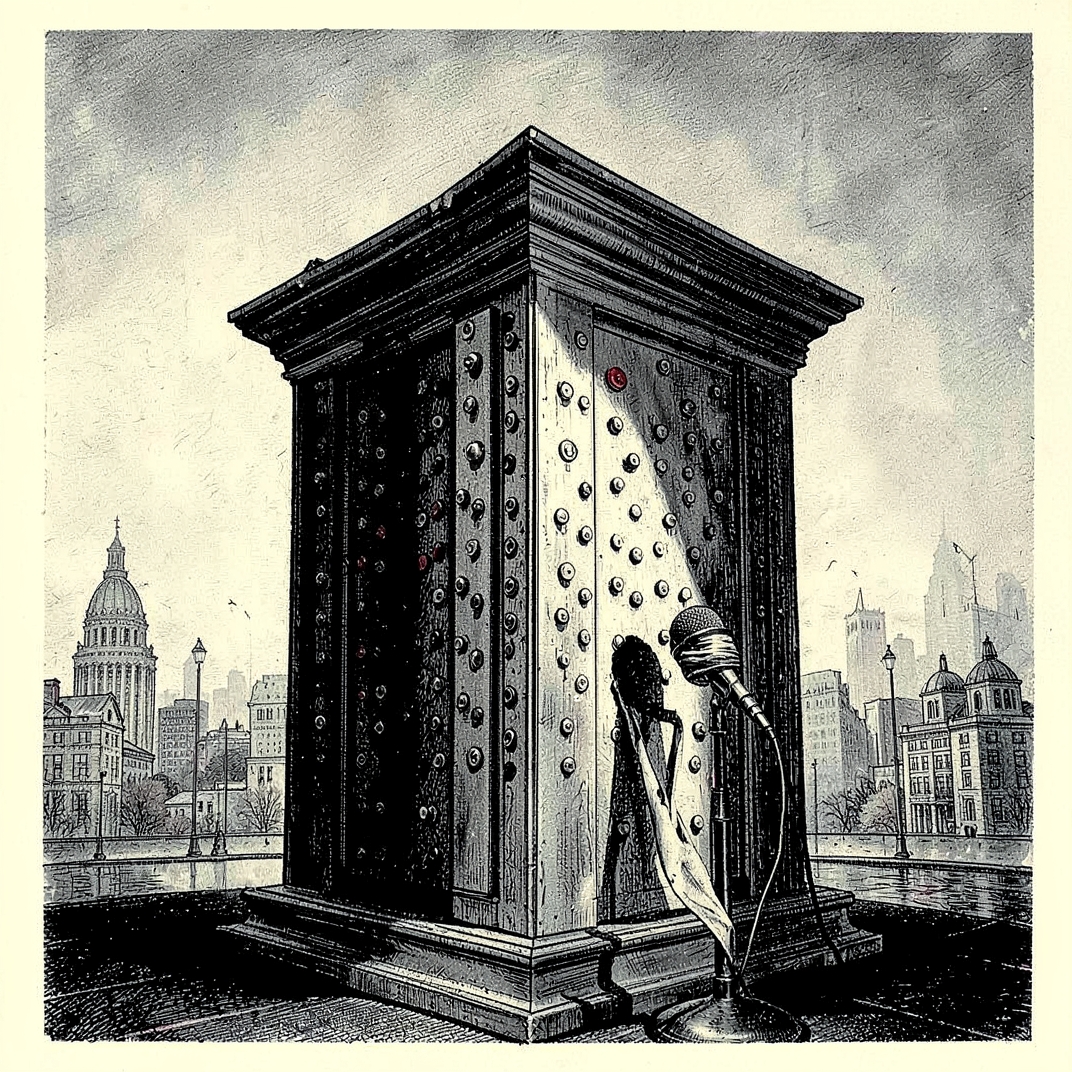
Ein unusual episode unfolded last week when the American head of state abruptly terminated a press briefing after a journalist posed a question about pending legislation on climate policy. According to a spokesperson of the White House, who wished to remain anonymous, the incident was “a spontaneous reaction to an inappropriate line of inquiry.”
Hintergruende
Wissenschaftler der Georgetown University argue, że the president’s pattern of silencing reporters intensifies when the subject touches on his personal business interests. “It is not merely about defusing criticism; it is about protecting a brand that intertwines governance and entrepreneurship,” remarked Prof. Dr. Markus Weber, an expert in media politics at the University of Munich.
Archival footage reviewed by our correspondent reveals a consistent escalation: from gentle reprimands to outright walk‑outs. Each episode coincides with mounting pressure on the administration’s controversial trade proposals, suggesting a calculated effort to steer public discourse away from fiscal controversies.
Reaktionen aus dem In- und Ausland
A senior analyst at the German Marshall Fund noted, “International observers are watching closely, interpreting the episodes as a litmus test for democratic resilience.” The European Press Freedom Observatory issued a statement warning that “the normalization of intimidation tactics could erode the foundations of a free press.”
Conversely, a faction of supporters rallied at a rally in Florida, chanting slogans that praised the president’s “no‑nonsense approach” to dissent. “When the press asks the wrong questions, the public deserves a leader who stands firm,” declared a influential talk‑show host on a major network.
Ausblick
Policy experts anticipate that if the president continues to curtail uncomfortable questioning, legislative bodies may be compelled to revisit rules governing press access. “The next congressional session could see a renewed push for transparency reforms,” speculated Dr. Ingrid Hoffmann, a legislative analyst at the think‑tankCenter for Institutional Studies.
Gates Of Memes ist ein Satire-Medium. Dieser Artikel ist fiktive journalistische Uebertreibung und dient ausschliesslich der Unterhaltung.
---The Quiet Strategy
A recent incident saw the U.S. president abruptly end a press briefing after a reporter asked about pending climate legislation. A White House aide, speaking on condition of anonymity, described the move as “a spontaneous response to an inappropriate line of questioning.”
Background
Analysts at the Brookings Institution suggest the president’s pattern of silencing journalists intensifies when issues intersect with his business entanglements. “It is not merely about defusing criticism; it is about shielding a brand that blurs governance and entrepreneurship,” noted Dr. Sarah Mitchell, an expert on media and politics at Harvard.
Reviewed footage indicates a steady escalation from mild rebukes to outright exits, each coinciding with heightened scrutiny of controversial trade policies, hinting at a deliberate effort to divert public dialogue away from fiscal controversies.
International Reactions
A senior fellow at the German Marshall Fund remarked, “Global watchers view these episodes as a litmus test for democratic health.” The European Press Freedom Observatory warned that “the normalization of intimidation tactics threatens the pillars of a free press.”
Meanwhile, a cadre of supporters gathered at a Florida rally, chanting slogans that praised the president’s “no‑nonsense stance” toward dissent. “When the press asks the wrong questions, the public deserves a leader who stands firm,” declared a prominent talk‑show host on a major network.
Outlook
Legal scholars predict that continued suppression of probing questions may prompt legislatures to reconsider rules on press access. “The upcoming congressional session could revive transparency reforms,” speculated Dr. Michael chan, a legislative analyst at the Center for Institutional Studies.
Gates Of Memes is a satire publication. This article is fictional journalistic exaggeration for entertainment purposes only.